

Radeus Labs was recently featured in The CEO Vision, highlighting our work in rugged computing and SATCOM solutions for modern high-performance environments. We appreciate the recognition. More important is what the article reinforces about how we operate and where we are headed.
Customer First. Engineering Embedded.
Radeus Labs is a customer-first, people-first organization. Engineering is embedded in our DNA, but it serves a larger purpose: helping customers make infrastructure decisions with confidence.
That mindset shapes how we design hardware, support virtualization strategies, and plan for long lifecycle programs. We start by understanding the operational realities our customers face, then apply disciplined engineering to meet those needs.
Our customers operate in demanding environments where infrastructure decisions carry operational and contractual consequences. Systems must withstand environmental stress, vendor shifts, compliance demands, and supply chain volatility. The objective is not novelty. It is durability, observability, and repeatability, delivered in a way that aligns with the mission and the people responsible for it.
As discussed in our recent Lunch & Learn on life after VMware, architecture decisions require clarity about trust boundaries, long-term support, and underlying technology primitives. Whether evaluating open source virtualization platforms such as Proxmox or planning hardware transitions amid generational shifts, we focus on helping customers assess tradeoffs deliberately rather than reactively.
Practical Modernization, Grounded in Operational Reality
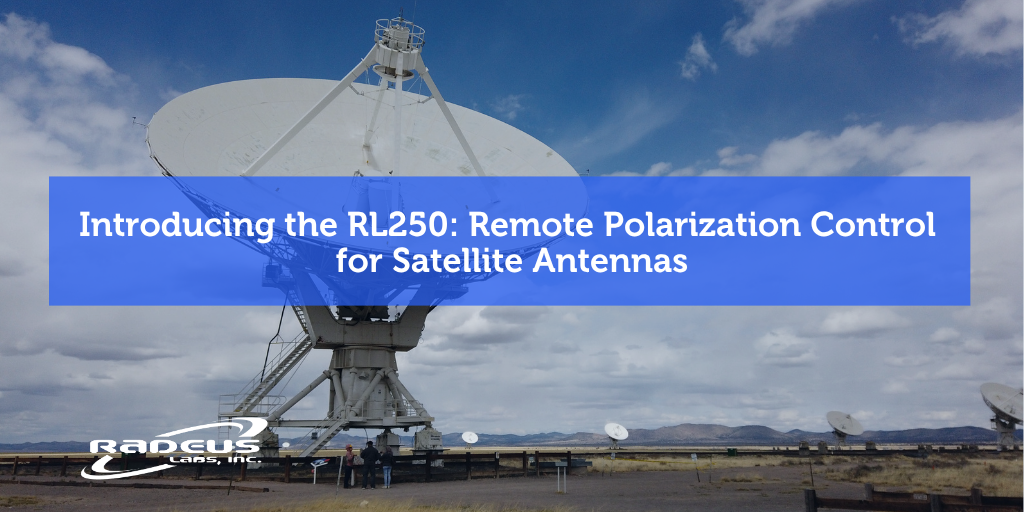
Modernization should reduce risk, not introduce it. For example, many ground station operators and program teams continue to rely on legacy parabolic antenna systems that are mechanically sound but dependent on aging control architectures. In these environments, retrofit often provides a more controlled path than full replacement, extending asset life, minimizing downtime, and integrating modern digital controls without destabilizing proven infrastructure.
That same principle applies across our rugged compute platforms. We do not default to pushing fixed, off-the-shelf configurations. We begin by listening carefully to how a system will be deployed, supported, and maintained over time. From there, we tailor architectures to the actual mission requirements.
Customization does not automatically mean higher cost. In many cases, it means eliminating unnecessary components, aligning performance to workload, and avoiding overbuilt systems that add expense without operational value. The objective is fit-for-purpose infrastructure: reliable, maintainable, and aligned precisely with the job at hand.
For organizations evaluating advanced computing solutions, that fit-for-purpose approach matters because the right architecture has to support performance, lifecycle planning, and long-term maintainability.
Continuing the Conversation at SATShow 2026
We will be exhibiting at SATShow, March 23–26 at the Walter E. Washington Convention Center in Washington, D.C., Booth #2736.
Two technical sessions will anchor our presence at SATShow:
The Modern Ground Station: Scalable Control Solutions for Legacy Parabolic Antennas
 Presented by Chris Steph at the Unveiled Theater on Monday, March 24 at 2:30 PM. This session outlines why organizations choose retrofit over replacement, core components of modern control architectures, and a step-by-step view of modernization from assessment through deployment. No registration is required.
8200 ACS Hands-On Training Sessions
.png?width=150&height=150&name=andrew%20(1).png) Led by Senior System Architect Andrew Correnti at Booth #2736 on Tuesday, March 24 and Wednesday, March 25 at 11:00 AM. These small-group sessions cover recommended installation processes, system components, core software capabilities, and tracking best practices.
Led by Senior System Architect Andrew Correnti at Booth #2736 on Tuesday, March 24 and Wednesday, March 25 at 11:00 AM. These small-group sessions cover recommended installation processes, system components, core software capabilities, and tracking best practices.
Both of Andrew's formats are technical and practical. The intent is to provide clarity, not marketing language. REGISTER HERE.
Looking Ahead
The recent CEO Vision feature highlights what Radeus Labs strives to be: a long-term partner in architecture decisions, not simply a hardware vendor.
In the coming months, we will continue hosting focused technical sessions, investing in engineering-led education, and strengthening collaboration across our vendor and customer ecosystem. Market conditions will continue to shift. Supply chains will fluctuate. Virtualization strategies will evolve.
Our role is to help customers make infrastructure decisions that remain stable despite that volatility, especially for teams evaluating government technology solutions, SATCOM modernization, rugged computing, and long-term infrastructure support.
If you are attending SATShow 2026 and would like to meet with our engineering team, we encourage you to schedule time in advance. We welcome direct discussions about your specific environment, constraints, and modernization goals.