

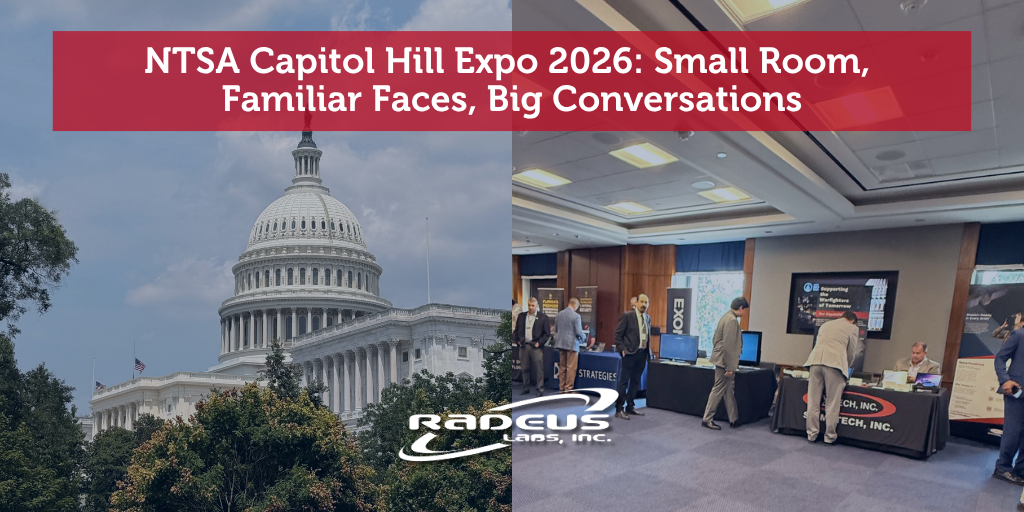
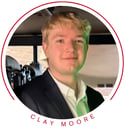
 On July 16, Radeus Labs Technical Sales Rep Clay Moore returned to Washington, D.C. for the National Training and Simulation Association's (NTSA) Capitol Hill Modeling, Simulation & Training Expo, held in the Rayburn House Office Building.
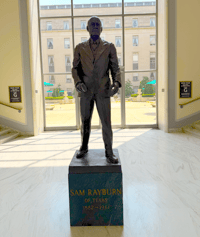 It was Clay's second year attending, and it remains a small event by design, which is part of its appeal. It's an easy, low-lift show for teams to attend and it consistently leads to solid, unhurried conversations.
Small Event, Right Theme
This year's official theme was "The Power of Modeling and Simulation Technologies: Integrating Artificial Intelligence to Enhance our National Security."
While the central focus was defense and national security, the event also highlighted how modeling and simulation supports adjacent areas like healthcare, emergency response, and infrastructure resilience.
The event, supported by NTSA and the Congressional M&S Caucus, continues to create an environment where industry can engage directly with policymakers and their staff on Capitol Hill.
Reconnecting With the Defense Simulation Community
Part of the value of a smaller show is how many genuine, relaxed conversations it makes possible. Clay caught up with a few familiar faces from across the defense modeling and training landscape:
| ➤ 4C Strategies was on hand discussing capabilities within its Exonaut platform, a defense software suite used to plan, manage, and improve military training exercises and readiness. It's a company Clay has run into repeatedly across a number of defense shows over the past year, and it was good to connect with the team again. | 
|
| ➤ Clay also spoke with AD Engineering , an Ohio-based company founded by a military veteran and now focused on counter-UAS work. It was great to learn more about their low-cost, effective drone interception technology. |
|
|
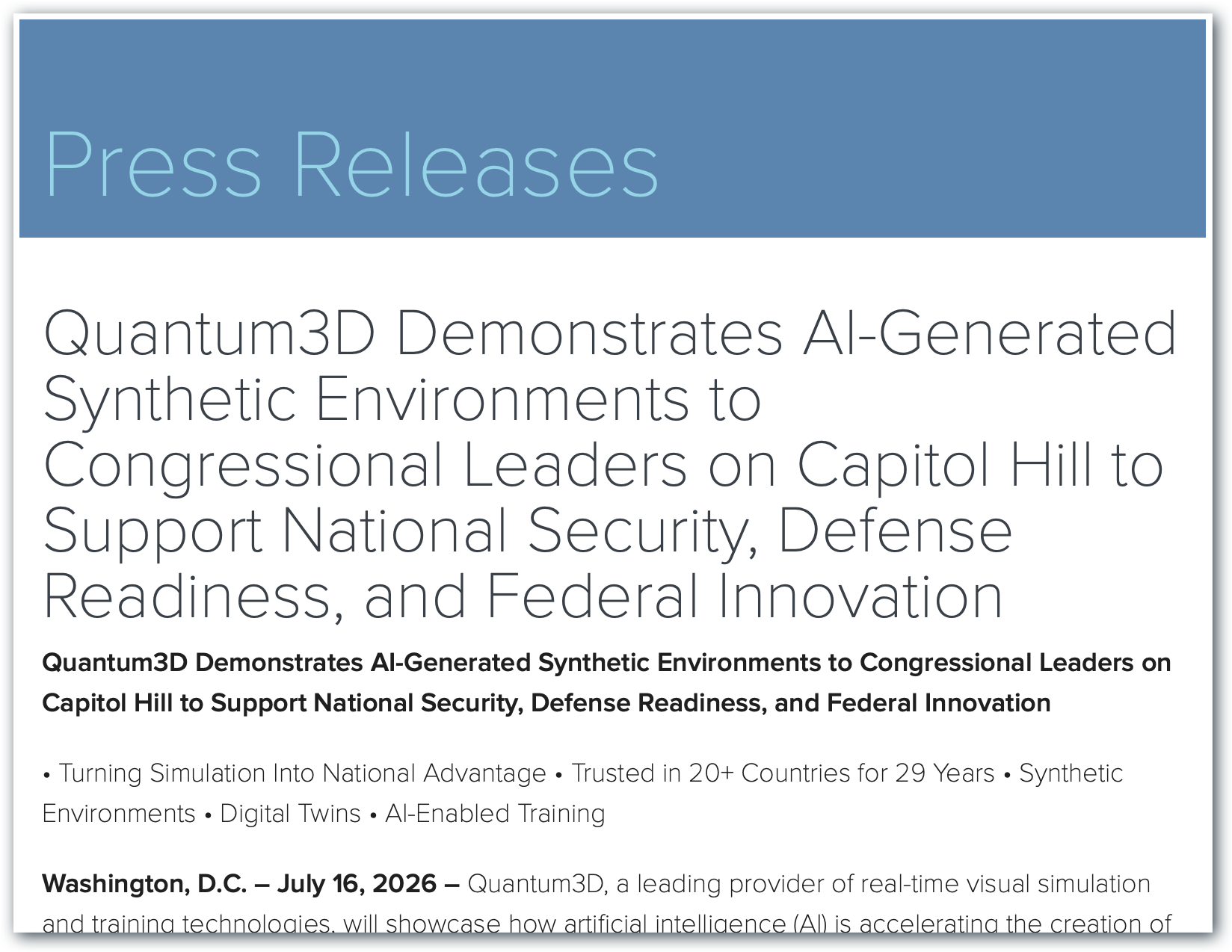
➤ Quantum3D , a longtime name in training and simulation technology with deep roots in flight simulation, gave Clay a demo of its eVTOL (electric vertical takeoff and landing) flight simulator on the show floor, highlighting the company's long history in aviation simulation. Separately, on that same day, the company announced it was demonstrating its MANTIS® real-time image generation platform to congressional leaders, showcasing how AI can be used to rapidly generate synthetic training environments from geospatial data. While Clay didn't see that demonstration firsthand, it's a good example of the AI-and-simulation theme showing up across the show floor. |
|
| ➤ Finally, Clay spent time with a representative from the Virginia Modeling and Simulation Center (VMASC) , a research center affiliated with Old Dominion University , where Clay earned his undergraduate degree. The two had a wide-ranging, thoughtful conversation about how simulation compute and hardware have changed over the years. Clay noted it was a fantastic opportunity to see VMASC again and catch up with someone who has watched the compute landscape evolve firsthand. | 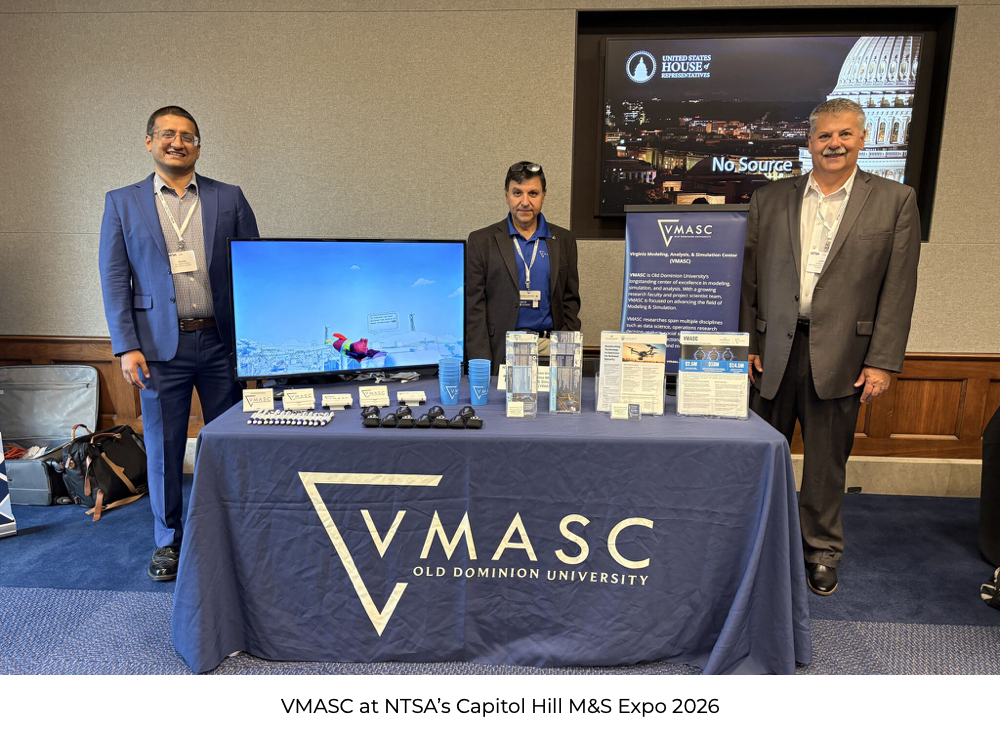
|
The Case for Smaller, More Intimate Events
Not every worthwhile trade show needs to be the biggest one on the calendar. This one is small enough to fit in a single room, but that's exactly what makes it work: fewer distractions, more room for a real conversation, and a few unexpected introductions that wouldn't happen at a bigger show.
Catch Us Next at TechNet Augusta
 Radeus Labs isn't slowing down. Next up, the team will be at AFCEA TechNet Augusta, August 17-20, 2026, where the focus shifts to cyber electromagnetic activities and unified land operations, bringing together military, government, and industry professionals. If you're headed to Augusta, we'd love to connect - Schedule a meet with our team.