

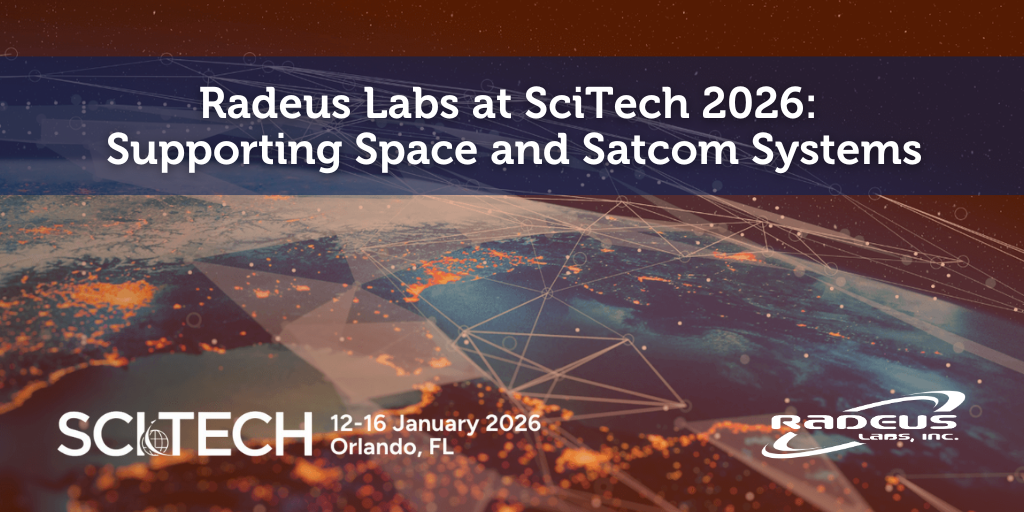
AIAA SciTech Forum 2026 is shaping up to be an incredible gathering for aerospace research and development engineers, scientists, and technical leaders. The event runs January 12–16 in Orlando, Florida, and is the world’s largest aerospace R&D forum, uniting thousands of professionals from around the globe to explore innovations across aerospace disciplines.
This year’s theme, “Breaking Barriers Together: Boundless Discovery,” reflects aerospace’s growing complexity and the collaborative effort it takes to advance science, systems, and technologies across domains. Participants can expect a mix of technical sessions, featured talks, awards recognition, and opportunities to engage with peers on the practical challenges shaping the field.
What’s New at SciTech 2026
SciTech’s program spans thousands of technical presentations across 60+ disciplines, making it one of the most comprehensive technical events in aerospace.
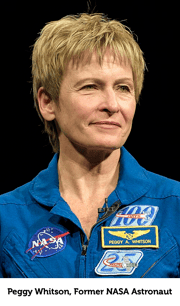 Keynote and high-profile sessions will include keynote remarks from leaders pushing aerospace forward. One example is an opening address by former NASA astronaut Peggy Whitson, whose experience spans human spaceflight, research, and mission leadership (She's also noted as being America's most experienced astronaut!).
In addition to keynote talks, sessions will explore pressing topics such as autonomy, advanced propulsion and power systems, AI-enabled aerospace applications, multi-domain operations, and cross-discipline engineering challenges. These discussions are designed to spark insight, challenge assumptions, and help attendees navigate the technical and programmatic pressures engineers face in real programs.
Recognition and Awards
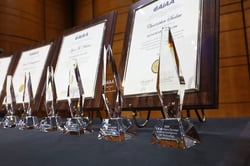 SciTech also serves as a platform to honor aerospace innovators and leaders. The forum will host an Awards Recognition Ceremony to celebrate recipients of AIAA’s prestigious awards for technical, research, and leadership excellence.
In addition, the event will feature induction ceremonies for AIAA Associate Fellows and Fellows, recognizing individuals who have demonstrated outstanding contributions to aeronautics and astronautics.
Why SciTech Matters to Practicing Engineers
SciTech is more than a conference. It’s where active engineers and technical decision-makers come together to confront problems that arise when research must become reliable, maintainable systems.
Sessions don’t just describe technologies. They dig into how methods and systems behave when pushed to their limits, how digital models scale to hardware realities, and how emerging tech integrates into existing architectures. The forum also encompasses award-winning research, rising-star engagements, and student research presentations that highlight the next generation of aerospace talent.
For professionals, SciTech delivers:
- In-depth technical content across the aerospace R&D landscape
- Networking with peers and subject matter experts from government, industry, and academia
- Recognition of achievement through awards, fellowships, and distinguished lectures
- Exposure to emerging trends in autonomy, space systems, propulsion, computational technology, and aerospace technology solutions
All of these elements make SciTech a touchstone for professionals who are responsible for systems that must operate reliably through design, test, deployment, and sustainment.
Radeus Labs at SciTech 2026
Radeus Labs will be in attendance at SciTech 2026 to connect with engineers and program leaders addressing today’s aerospace challenges.
Computing engineers and technical staff supporting simulation labs, test environments, or systems integration efforts will find value in the discussions around compute platforms, infrastructure tradeoffs, and scaling workloads. At Booth 112, the Radeus team will be available to talk through real engineering problems and share insights grounded in years of working with mission-filtered requirements, including applications tied to satellite signal controls systems and complex SATCOM environments.
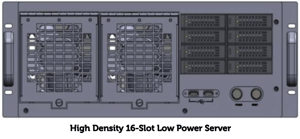 One of the technologies Radeus Labs will highlight at the event is its High-Density 16-Slot Server, initially introduced at I/ITSEC 2025. This high-densirty server was designed for teams that face high add-in card density without needing large GPU-centric infrastructure, offering a practical platform with manageable power, thermal, and integration requirements.
The 16-Slot Server has resonated with professionals building card-dense computing systems, and it will be on display for attendees interested in scalable compute and connectivity options.
Visit Radeus Labs at AIAA SciTech 2026 - Booth #112
Stop by to speak with the Radeus Labs team about your current programs, infrastructure challenges, or computing architecture needs.
If you prefer to plan ahead, you can also schedule a meeting with us in advance to ensure dedicated time during the event.
We look forward to seeing you in Orlando!