

The aerospace programs moving fastest in 2026 have one thing in common: they figured out their compute early.
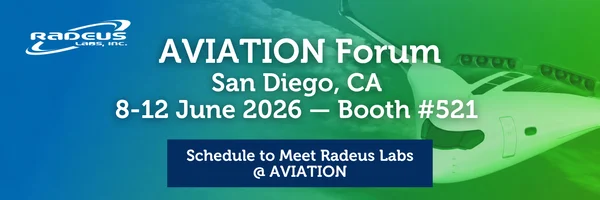
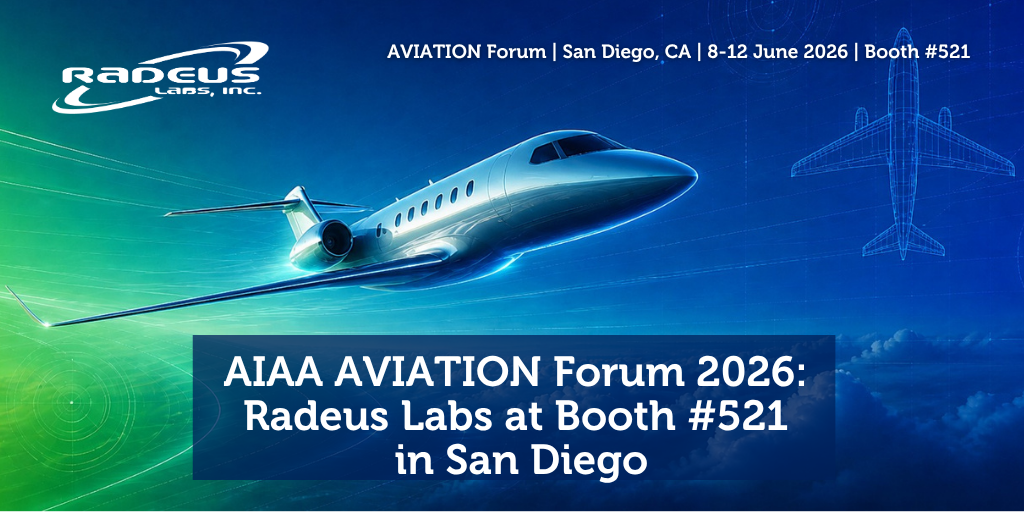
AIAA AVIATION Forum 2026 lands in San Diego June 8–12, bringing together the people shaping what comes next across aviation R&D, operations, and aerospace technology solutions. For aerospace computing teams, it's one of the best opportunities of the year to get closer to the conversations driving next-generation flight, from AI and autonomy to digital transformation, simulation, testing, and the infrastructure decisions that make those programs possible.
Radeus Labs will be there at Booth #521, ready to meet with teams thinking carefully about the hardware behind their programs.
Big Ideas Still Need Practical Compute
Advanced aerospace work doesn't move forward on ambition alone.
Behind every aircraft platform, simulation environment, test system, or AI-capable application is an R&D hardware decision that has to hold up under pressure. The right system needs to support demanding workloads, fit the operating environment, and stay serviceable as requirements change.
That's where things get complicated.
A system that looks right during early development can quietly become harder to source, support, scale, or modify later. For teams moving from R&D into validation, production, or deployment, those details matter earlier than most people expect.
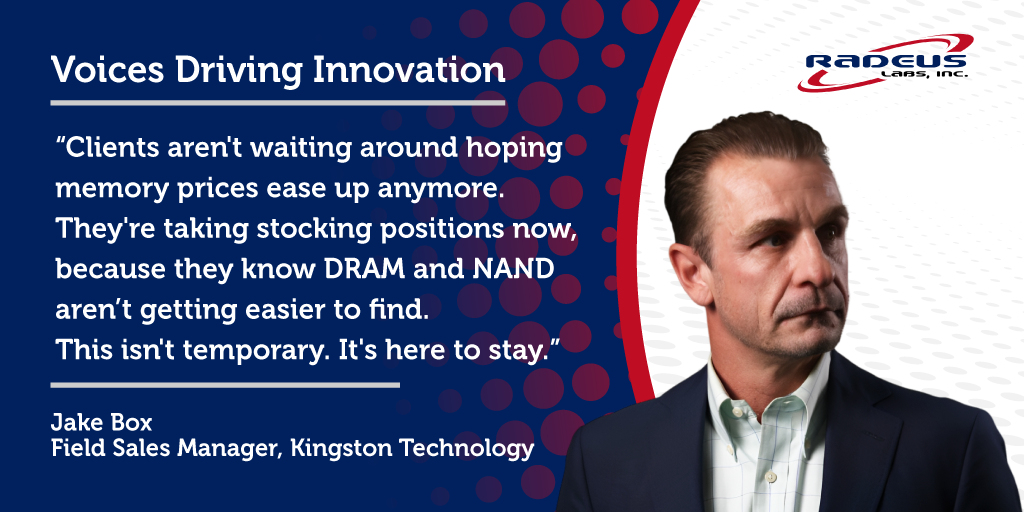
 Recent component volatility is making that planning even more urgent. In our recent article on current memory market volatility, we broke down how RAM, SSDs, and other high-demand components are pushing lead times out and prices up, right when programs can least afford the surprise. For aerospace teams, that makes early hardware planning less about overbuilding and more about knowing which parts of your system could create cost or availability risk before they do.
Why AVIATION Forum Is Worth the Trip
AVIATION is built for the full aviation ecosystem, pulling together professionals from government, academia, and private industry to work through the research, technology, and operational challenges shaping aviation's future.
This year's conversations are especially relevant for teams focused on advanced aerospace systems:
- AI and autonomy
- Digital transformation
- Advanced air mobility
- Certification
- Sustainability
- High-speed flight
For engineers, program leaders, technical evaluators, and operators, the forum creates a rare environment to compare perspectives, spot emerging trends, and connect with teams solving the same problems you are.
What Radeus Labs Will Be Talking About at Booth #521
For Radeus Labs, AVIATION is a practical opportunity to work through real challenges with teams that need reliable mission-critical computing systems for demanding aerospace environments.
The right answer is rarely just "more compute." More often, the most useful conversations start with better questions:
-
What workload does the system need to support?
-
What environment will the hardware operate in?
-
How long does the system need to remain serviceable?
-
Can the platform scale if requirements change?
-
What components are most exposed to cost or availability risk?
-
How cleanly can the system move from test to deployment?
Those questions are becoming more critical as aerospace programs place heavier demands on computing infrastructure. AI-capable systems, simulation environments, sensor processing, virtualization solutions, rugged deployments, and long program lifecycles all require hardware planning that goes well beyond specs on a datasheet.
At Booth #521, the Radeus team will be ready to dig into those challenges with teams evaluating current or upcoming compute requirements.
Celebrating the Work Moving Aerospace Forward
One of the strengths of AVIATION Forum is that it does more than showcase what's coming. It recognizes the people and teams already doing the work.
The event's Awards and Recognition programming highlights major technical achievements across areas central to aviation progress: supersonic flight, computational mechanics, aerodynamics, ground testing, and multidisciplinary design optimization among them. It's a reminder of how much progress is already happening, and how much the people in that room are responsible for.
Stop by Booth #521 — and Enter our LEGO® Drawing
If you're attending AVIATION, put Booth #521 on your schedule.
The Radeus team will be meeting with teams evaluating:
- Aerospace computing platforms
- Rugged systems
- AI-capable infrastructure
- Virtualization solutions & support
- R&D-to-deployment paths
- Long-lifecycle hardware requirements
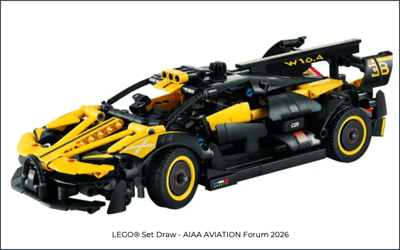 We hope you'll stop by Booth #521 and meet our team. While you're there, throw your name in for a chance to win a LEGO® set - because even the most serious engineers deserve something fun
If your schedule is tight, book a meeting with our team ahead of the show. We'll make the most of the time.
See you in San Diego.