
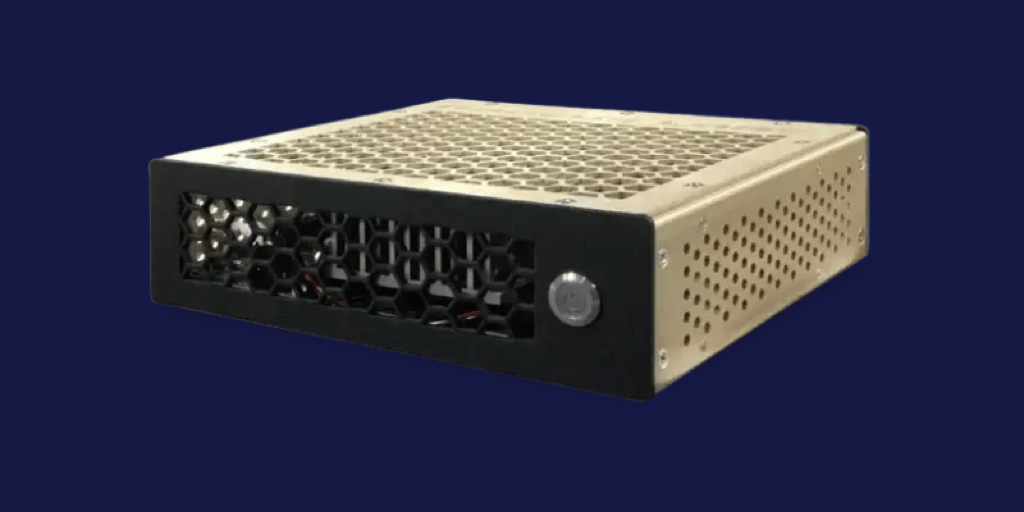
Radeus Labs Inc. Launches a Fanless, Ruggedized, 4 Monitor Thin Client

by | Aug 1, 2023 | Announcements , Computing

POWAY, CA – August 1, 2023– Radeus Labs, Inc., a leading provider of high performance electronic and computing systems for the Defense and SATCOM markets, today announced a new addition to their Thin Client line with their Fanless Thin Client.

According to Andrew Correnti, Sr. Systems Engineer “The Fanless Thin Client reduces fan related failures which can lead to overheating and critical losses, and as a bonus it’s nearly silent”.

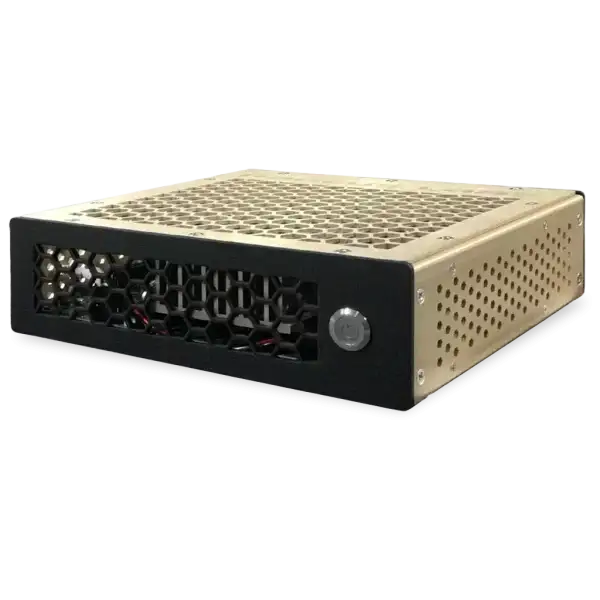
This new Thin Client option can serve up to four monitors without the noise of a cooling fan making it perfect for noise sensitive environments and without sacrificing options or performance. Its innovative honeycomb cover design allows ample air flow enabling the computer to maintain healthy internal operating temperatures. This exceptional computer is also ultra-rugged with multiple mounting platforms, built-in power supply, and a high-performance VDI permitting it to serve the needs of numerous industries. The Thin Client line provides a platform for customizable RAM, Hard Drive, VESA compliant mounting and is rackmountable. Several operating systems types including Stratodesk ThinOS, Redhat, Windows, and is certified support for ThinManager. 
 Radeus Labs, Inc., with headquarters and manufacturing facilities in Poway, CA, is a leader in the design and manufacture of leading-edge hardware and software systems for the Defense and Satcom markets. Radeus Labs products are thoughtfully designed with a focus on ease of use, high performance, and sustainability. Their products are engineered to give exceptional product life spans and deliver added value to their customers as well as provide customer service and support that is unrivaled in their industry.


View Fanless Thin Client


Email Sales

Blog

See Our Latest Blog Posts

I/ITSEC 2025: The Trends in Simulation Worth Paying Attention To

itsec 2025-radeus team-ck tan leading technolgy

After a year of AI dominated headlines, I/ITSEC 2025 brought the conversation back to infrastructure. This show was about systems, sustainability, and the real engineering work that keeps training and simulation programs running

And for Radeus Labs, this year felt different; busier, more technical, and packed with the right people in the right conversations.

Here’s what stood out.

MTBF: What It Actually Means and How to Use It Correctly

You're evaluating GPU computing platforms for a mission-critical deployment. Vendor A quotes an MTBF of 100,000 hours. Vendor B claims 150,000 hours. The choice seems obvious: go with Vendor B for 50% better reliability, right?

Not so fast.

If you're making hardware decisions based on MTBF comparisons alone, you're likely making decisions based on incomplete, or worse, misunderstood, information. Mean Time Between Failures remains one of the most widely cited yet most profoundly misunderstood metrics in reliability engineering. And for defense, aerospace, and mission-critical computing environments where failure isn't just inconvenient but potentially catastrophic, this misunderstanding carries real consequences.

Let's set the record straight on what MTBF actually tells you, what it doesn't, and how to use it properly alongside other reliability tools.

SC25: High Performance Computing Meets the AI-Driven Future in St. Louis

A few weeks ago, the Radeus Labs team joined thousands of HPC professionals, researchers, and developers in St. Louis for SC25, the International Conference for High Performance Computing, Networking, Storage, and Analysis. What we found was a conference at an inflection point, where traditional supercomputing meets the explosive demands of AI infrastructure, and where the future of connectivity is being built in real-time.